A Designer's Review of the Elephant Family Embroidery
First Impression: Warmth, Whimsy, and Perfect Placement
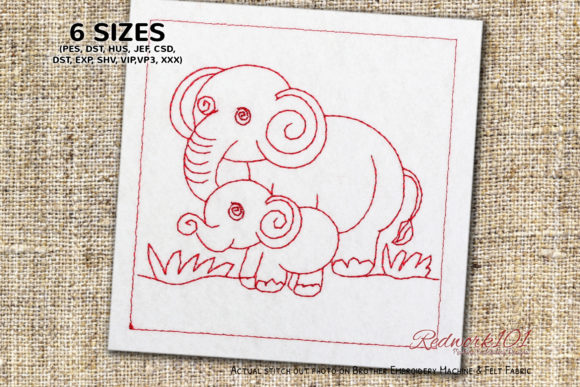
When you first look at Elephant Family with Baby Elephant, the mood is instantly clear. It’s gentle, playful, and full of a quiet, familial warmth. The layout, with the larger elephants and the smaller one, creates a natural focal point that feels balanced and complete. This isn’t a hyper-detailed, realistic wildlife portrait; it’s a charming, stylized illustration with a friendly visual personality. The level of detail suggests it will translate beautifully into stitch form without becoming a dense, time-consuming project. It feels like it naturally belongs on items meant to convey affection, comfort, and a touch of whimsy—think nursery decor, personalized gifts, or cozy home accents.
Where This Design Finds Its Perfect Home
In practical application, this embroidery design shines on specific products. I immediately pictured it on a soft, cotton tote bag for a mother—a practical yet sentimental everyday item. It would be equally lovely centered on a baby’s blanket or the corner of a pillow cover for a nursery. For a craft business or Etsy seller, consider it for a simple, high-quality sweatshirt; the theme is universal and appealing, avoiding being overly trendy or niche. As an embroidered patch, it could be versatile, applied to caps or aprons. Its charm makes it a strong candidate for holiday embroidery projects, like a special kitchen towel or tea towel as a gift, or even as a focal point on a wedding gift for a couple starting their family.
The Sweet Spot for Customer Appeal
This design boosts visual appeal because it’s easily recognizable and emotionally resonant. On a handmade product, the clean shapes and likely moderate stitch density will result in clear, professional-looking stitches, which builds customer trust. For small shop merchandise, it offers brand consistency if your vibe is gentle, family-oriented, or nature-inspired. Its giftability is high; it feels personal without requiring a specific name or date. In a printable mockup or digital product preview, the clear outlines will show well, aiding buyer engagement for digital embroidery file sellers.
Careful Considerations for Stitching Success
While versatile, some applications need forethought. Given the design’s likely composition, areas with potential dense stitch density, like larger fill areas, should be managed on lightweight or stretchy fabric like thin t-shirts with proper stabilizer. On dark fabric, thread color contrast is crucial—you’ll want to ensure the lighter elements pop. Embroidering on a curved surface like a cap’s front might require checking the orientation and size; the family grouping might need to be scaled appropriately to fit without losing detail. For products needing frequent washing, like baby clothes or aprons, a robust satin stitch or fill stitch outline will hold up better than very fine details. The optional box stitch mentioned in the description is a key note. If used, it creates a framed, graphic look perfect for patches or defined products. If omitted, the design integrates more softly into the fabric. This choice dramatically alters the final look, so consider your product’s style.
Scenarios to Approach with Caution
I’d be cautious using it in very small hoop sizes if the details become too tiny to stitch cleanly. On heavily textured fabrics like some blankets, the softer details might get lost. If you intend it for commercial embroidery projects on layered garments like jackets, test the design’s stability on the material first. The charm lies in its clear forms, so preserving that stitching clarity is paramount.
Practical Notes from the Embroidery Table
Before committing to a final project, my standard advice applies powerfully here. Always test the design on scrap fabric first, using the same material and stabilizer you plan for the final item. This reveals how the thread colors interact with your background and checks the actual stitch density. Review any small details in the design, like the elephants’ features, to ensure they stitch out cleanly. Check hoop size requirements and your machine’s compatibility with the provided embroidery file formats—don’t assume. Creating a simple black and white mockup can help visualize it on both light and dark backgrounds. Crucially, if you are a digital product seller or plan to sell finished items, confirm licensing for the Elephant Family with Baby Elephant design before any commercial use. The product category of Wild Animals and type of Embroidery suggest its theme, but the legal terms for use are separate and essential.
The Final Verdict for Real-World Use
In my judgment as a designer reviewing for real client projects and handmade products, Elephant Family with Baby Elephant is a reliably charming design. It avoids complexity that can frustrate during stitching, yet it carries enough personality to elevate a simple product. It fits seamlessly into the world of personalized gifts and craft business items. For the apparel decorator, it’s a safe bet for a wholesome, appealing addition to a sweatshirt or tote. For the creative entrepreneur, it’s a design asset that can be adapted across multiple products with consistent appeal. Its strength is its emotional tone and clear composition, which, with practical testing and mindful application, will result in a beautiful, professional finished product that feels both handmade and thoughtfully designed.