Clock Embroidery Design: A Timeless Holiday Asset
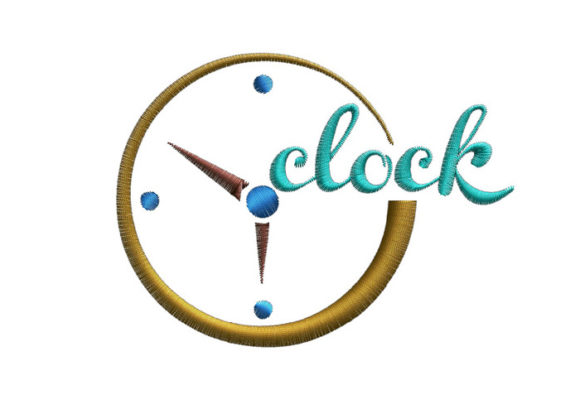
As I sit down to evaluate new designs for my upcoming seasonal collections, Clock immediately catches my eye. It’s not just a design; it’s a mood. The first impression is one of elegant nostalgia, blending a cozy, timeless feel with a clean, decorative style. It doesn’t scream holiday in a loud, obvious way, but instead evokes a sense of cherished moments and celebration, making it incredibly versatile for a festive yet premium product line.
The Seasonal Mood and Emotional Tone of Clock
The emotional tone of this machine embroidery design is its strongest selling point for holiday creators. It feels nostalgic and romantic, hinting at family traditions and passed-down heirlooms, without being overly sentimental. This is perfect for the holiday shopper looking for a gift that feels thoughtful and personal, rather than just another seasonal trinket. For my shop, this means Clock can anchor collections themed around “Cozy Winters,” “Family Memories,” or “Elegant Celebrations,” appealing to customers who value substance over flash.
The detail level appears balanced—not so minimalist that it feels empty, nor so dense that it becomes intimidating for production on thicker fabrics like towels or sweatshirts. This balance is crucial for maintaining a premium look while ensuring it stitches cleanly on a variety of holiday products, from gift-ready pillow covers to kitchen towel embroidery.
Real Holiday Selling Scenarios for Clock
In practical selling situations, this design shines. Imagine a curated Etsy listing featuring a set of matching family items: Clock embroidered on a dad’s sweatshirt, a mom’s tote bag, and a child’s apron. This creates a powerful “family matching” gift bundle that is highly attractive during holiday shopping periods. For craft fair displays, a single, beautifully embroidered pillow cover featuring Clock can draw customers in, showcasing craftsmanship and inviting them to imagine it in their holiday home decor.
For limited edition apparel, like a premium sweatshirt embroidery drop for the holidays, Clock adds value without being trend-dependent. Its timeless nature increases giftability, as the recipient won’t feel it’s only for one season. Creating printable mockups and social media previews with this design on various products—table linens, ornaments, even baby items like a special blanket—builds visual recognition and engagement, telling a story of quality and thoughtfulness that builds customer trust.
Building Product Collections Around a Central Theme
Clock naturally encourages brand consistency. A small business owner can use it across a whole line: embroidered patches for stockings, aprons for holiday baking, and elegant pillow covers for festive living rooms. This cohesive look across different product types (Accessories, home decor, apparel) makes for stronger marketing and a more professional shop presence.
Practical Application on Holiday Products
This embroidery file, coming in multiple formats, promises wide application. Let’s plan its use on real products. For gift-ready creations, Clock would be stunning on:
- Sweatshirts & Apparel: A central emblem on a premium cotton sweatshirt, offering a cozy, personal gift.
- Tote Bags: A statement piece on a canvas bag, perfect for carrying holiday purchases or as a gift itself.
- Kitchen Towels & Aprons: Adds a touch of elegant, rustic charm to functional holiday kitchen items.
- Pillow Covers & Table Linens: Transforms home decor into festive, yet lasting, seasonal accents.
- Ornaments & Patches: As a small embroidered patch, it could adorn a fabric ornament or be applied to a ready-made gift.
The key is to think of products that enhance the emotional tone—items associated with home, family, and personal time.
Considerations for Successful Stitching and Selling
While the design feels versatile, a professional embroidery designer must always plan for challenges. Here are my notes for using Clock in a seasonal collection:
- Hoop Size & Detail: Before production, I must confirm the minimum recommended hoop size for this design. Small details or lettering within Clock might require a larger hoop for clarity, especially on items like curved caps or small ornaments.
- Fabric & Stabilizer: On thick fabrics like terrycloth towels or stretchy garments like sweatshirts, using the proper stabilizer is non-negotiable to prevent puckering and maintain that premium look.
- Thread Colors & Fabric Texture: I will test recommended thread colors on both light and dark fabric backgrounds. A design with a nostalgic feel might benefit from muted, metallic, or classic holiday threads on light linen, but may need a bold contrast palette on dark navy sweatshirts.
- Stitch Density & Washing: Checking the stitch density is vital for items that need repeated washing, like kitchen towels or baby items. A very dense design might be less durable on these fabrics.
- Small Details: After stitching a test sample, I will review any tiny intricate details to ensure they stitch out cleanly at the intended size—this prevents customer disappointment in a finished product.
A Note on Commercial Use and Licensing
As a digital embroidery file buyer running a small shop, I must confirm the commercial licensing terms before I sell any finished seasonal products featuring this design. This is a critical step to protect my business and maintain customer trust. The product description mentions it can be used in multiple embroider applications, but I need to verify the specifics for my commercial holiday product line.
Enhancing Seasonal Appeal and Buyer Emotion
Ultimately, adding Clock to my holiday collection is a strategic decision about appeal and emotion. During hectic shopping periods, products that evoke calm, nostalgia, and quality stand out. This machine embroidery design isn’t just another snowflake; it’s a symbol of time and tradition. That emotional connection increases perceived product value and makes the item feel like a true handmade gift, not just a purchase.
For personalized gifts, Clock could be paired with a name or date, deepening the personal connection. Planning matching color palettes—like cream thread on burgundy, or gold on green—for a series of products creates a luxurious, coordinated collection that buyers are more likely to purchase as a set.
In the end, my review concludes that Clock is a robust and emotionally resonant design. It requires careful technical preparation—testing, confirming hoop size, and planning for fabric texture—but its potential for creating cohesive, premium, and giftable holiday products is significant. It’s a timeless asset that can elevate a seasonal shop collection from simple to memorable.