Professional Review: Cessna 172 Redwork for Branded Merchandise
When a small business is looking to elevate its branded merchandise, the embroidery design choice becomes a critical part of its visual identity. Today, I’m reviewing the Cessna 172 Redwork embroidery design from the perspective of a professional embroidery designer tasked with applying it to real-world business products. This review focuses on its viability for patches, uniforms, caps, tote bags, and other merchandise for cafes, boutiques, studios, and local businesses.
First Impression: A Classic, Clean Statement
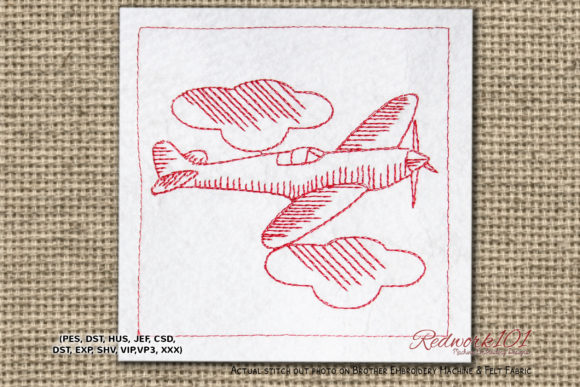
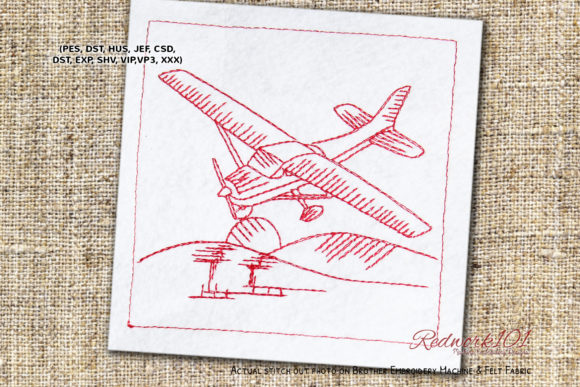
The Cessna 172 Redwork design presents a classic, clean aesthetic. The “Redwork” style suggests a single-color approach, often red, which delivers a bold yet focused visual punch. For a Transportation-themed business or any brand wanting a touch of aviation heritage, rustic charm, or straightforward elegance, this design feels both professional and approachable. It’s not overly decorative; it’s a statement piece. The optional Box Stitch mentioned in the description is a key consideration—this border can frame the design, making it ideal for patches, but it can also be skipped for a more integrated look on apparel.
Business Applications: From Patches to Product Labels
Let’s translate this machine embroidery design into tangible small business merch. Its clear, defined lines make it exceptionally versatile.
- Embroidered Patches: This is a prime use. The design, especially with the optional box border, is ready to become a high-quality patch for uniforms, aprons, or as a sellable item itself. It can serve as a brand identity patch for a local pet brand’s staff shirts or a creative studio’s tote bags.
- Staff Uniforms & Aprons: As a chest logo or sleeve detail on work shirts or chef aprons for a café or bakery, the Cessna 172 Redwork offers a premium, handmade touch that builds customer trust and professionalism.
- Cap Embroidery: On the front of a cap, this design can become a recognizable mark for an event or a branded gift. Its likely moderate stitch density needs evaluation for cap curves.
- Tote Bag Design & Apron Embroidery: As a central mark on a boutique’s tote bag or a florist’s apron, it adds product value and visual consistency.
- Product Packaging & Customer Gifts: Small patches using this design can be affixed to product packaging as a premium accent, or used on limited-run event merch for a local business.
Navigating Practical Production Considerations
Success with any digital embroidery file in commercial embroidery projects depends on meticulous preparation. Here are my designer notes for using Cessna 172 Redwork in a business context.
- Size Testing is Crucial: Before final production, test this design at the intended small patch size. Check if the aircraft details and any lettering remain crisp and recognizable.
- Thread Color & Contrast: While “Redwork” suggests a color, always test it in black and white first on your actual fabric swatches. This reveals the pure form and helps plan thread color contrast for dark uniforms or textured fabrics.
- Fabric & Stabilizer Partnership: The finished product quality hinges on using the proper stabilizer for the fabric texture. A tote bag’s canvas differs vastly from a staff polo’s pique.
- Create a Printable Mockup: Always generate a mockup for client approval. Seeing Cessna 172 Redwork beside other design assets on a garment image ensures it aligns with the brand’s overall look.
- Check Technical Specifications: The product description notes the box is optional and its color may vary. Advise readers to check hoop size, stitch count, and file format details directly with the file provider before production. Also, always confirm commercial licensing before business use.
Strategic Use: Where to Apply and Where to Be Cautious
Understanding where a design performs best—and where it might struggle—protects your brand’s presentation.
Use Cessna 172 Redwork confidently for:
- Medium to large-sized patches and apparel accents.
- Flat surfaces like the chest of shirts, the flat panel of tote bags, and aprons.
- Products where a classic, bold emblem enhances a handmade product feel.
Exercise caution and test thoroughly for:
- Very small patch sizes where detail may be lost.
- Cap fronts and curved surfaces that can distort shapes.
- Items requiring frequent washing; ensure your stitch settings and stabilizer prevent premature wear.
- Fabrics with very high texture or stretch; a test run is non-negotiable.
Impact on Brand Identity and Customer Perception
For a small business, embroidery is not just decoration; it’s a branding tool. Implementing Cessna 172 Redwork on your custom apparel and merchandise communicates specific values.
It fosters customer trust through a tangible commitment to quality and craft. It boosts professionalism, showing attention to detail on staff uniforms. It increases product value—a tote bag with a well-executed embroidered mark feels more premium. It creates visual consistency across different merchandise items, strengthening brand recognition. Finally, it drives buyer engagement; a unique embroidered patch on a product can turn a simple item into a conversation starter and a cherished gift.
Final Designer Advice for Business Implementation
Treat Cessna 172 Redwork as a key design asset. Its success in your business hinges on viewing it through a commercial lens, not just a decorative one. Start with a test on the exact fabric and item you intend to use. Evaluate its size, contrast, and clarity. Use the optional box stitch strategically to frame it as a standalone patch, or omit it for a cleaner integration into garment designs. By doing this diligent groundwork, you transform a digital embroidery file into a robust, recognizable element of your brand’s story, perfectly suited for the demanding yet rewarding world of small business merch.