A Cheesy Embroidery Design That Brings the Fun
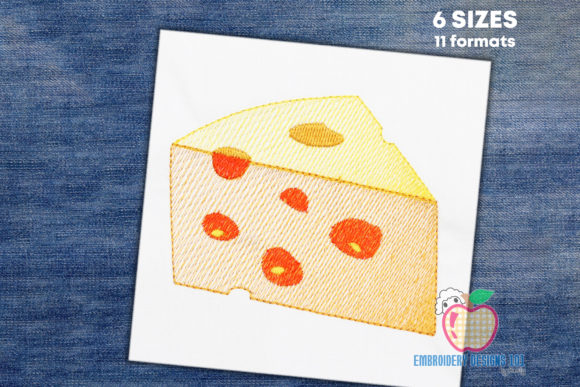
When I first opened the 'Piece of Cheese Quick Stitch' embroidery file, it immediately made me smile. It’s that kind of design. As a designer who works on everything from client apparel to my own small shop products, my first question is always about vibe. This one delivers a playful, slightly quirky personality. It's not trying to be hyper-realistic; it’s stylized, friendly, and perfect for injecting a bit of lighthearted charm into a project. The shape is clear and graphic, with the 'quick stitch' nature suggesting a clean, efficient sew-out without overwhelming detail. It feels ready for a project where the goal is to spark a quick grin.
Where This Cheese Slice Finds Its Perfect Home
This design’s natural habitat is in cheerful, everyday items. I’m picturing it on a canvas tote bag for a food-loving friend, centered on a kitchen apron for a boutique product line, or as a sweet, small motif on a baby’s bib or nursery pillow cover. Its food category theme is versatile—think birthday gifts for a cheese enthusiast, a fun accent on a tea towel, or even a patch on a denim jacket for a personal touch. For creative entrepreneurs, it’s a solid asset for a themed collection, like a 'kitchen humor' series of embroidered sweatshirts or a set of personalized gifts.
In a real-life scenario, let’s say I’m preparing a custom embroidered sweatshirt for a small shop holiday release. The 'Piece of Cheese Quick Stitch' would be a contender for a limited-run, 'ugly sweater' style apparel item. I’d be considering how it stitches out: the open, not-fully-filled areas (as mentioned in the description) will create a lighter stitch density, which is great for softer fabrics like sweatshirt fleece, reducing stiffness. The finished look would be graphic and recognizable, not a detailed illustration, which works perfectly for apparel where visual clarity from a distance matters.
Performance on Real Fabrics and Products
For practical embroidery, this design’s appeal lies in its simplicity. On standard cotton for a tote bag or pillow cover, it should stitch cleanly with minimal thread buildup. On baby clothes or lightweight fabrics, the lower fill density is a benefit, helping maintain fabric flexibility. For caps or curved surfaces, the clear shape without tiny intricate corners should hoop well and adapt to the curve without distortion. On darker fabric backgrounds, careful thread color selection will be key—a bright yellow or off-white satin stitch for the cheese body against a dark denim would pop beautifully.
However, where you need to be careful is with very small hoop sizes. While it comes in multiple sizes, the smallest version’s satin stitch borders or details will need a close look on scrap fabric first to ensure stitch integrity. Also, on highly textured fabrics like certain blankets, the clean lines might get lost if the texture is too pronounced. It’s not a design I’d automatically choose for a product needing very dense, heavy embroidery for a 'luxe' feel. Its value is in its cheerful, handmade presentation, perfect for gifts and casual merchandise.
The Impact on Your Business and Customer’s Eye
From a business perspective, this embroidery design offers good versatility. For an Etsy seller creating personalized kitchen gifts, it’s an easy-add element that increases product range without requiring complex stitching expertise. Its recognizable theme creates immediate engagement—people understand it instantly, which aids in quick buyer decisions on a craft fair table or online listing. It supports brand consistency for a shop focused on food humor or home decor, adding a cohesive design asset to your digital library.
Stitching clarity is paramount for customer trust. A clean sew-out of this cheese slice, with no puckering or thread breaks, presents a professional finish, even on a simple product like an apron. That professionalism translates directly into giftability and perceived value. A well-embroidered cheese on a tea towel feels like a thoughtful, handmade item, not a generic mass-produced one. For commercial embroidery projects, like a small run of promotional tote bags for a local deli, it would be effective and efficient to produce.
Practical Notes Before You Hoop It Up
My standard process for any new design like 'Piece of Cheese Quick Stitch' involves a few key steps. Always, always test it on a scrap of your intended project fabric first. This lets you check the actual stitch density, see how the open fills interact with your fabric texture, and confirm your hoop size choice. Pay close attention to thread color contrast against your final fabric background—running a quick black and white digital mockup can help visualize contrast levels before you commit thread.
Use the appropriate stabilizer for your base material. For a t-shirt or stretchy fabric, a cutaway might be necessary to keep those clean edges sharp after wear. Inspect the small details in your test sew-out; even in a 'quick stitch' design, tiny satin stitch areas can need tweaking if your machine or thread behaves differently than expected. A crucial note: before selling finished items or using this in commercial projects, confirm the licensing terms of the embroidery file. Not all designs are cleared for commercial use, and it’s your responsibility to verify.
Finally, think about application. This design shines on items where its playful nature is welcomed. It might be less suited for ultra-formal corporate apparel but perfect for building a line of casual, personalized gifts. It’s a tool in your embroidery toolkit—one that, when used on the right product with proper preparation, adds a slice of fun and personality to your handmade work.