Cute Little Cat Embroidery: A Design That Charms
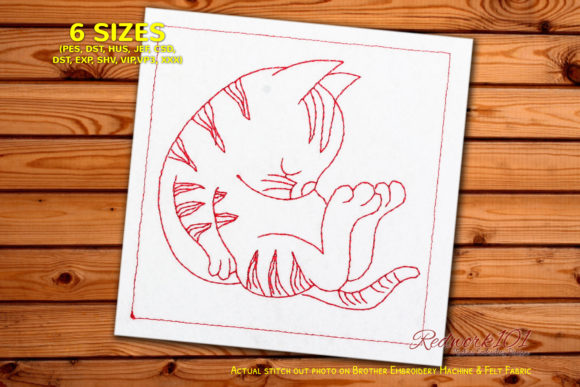
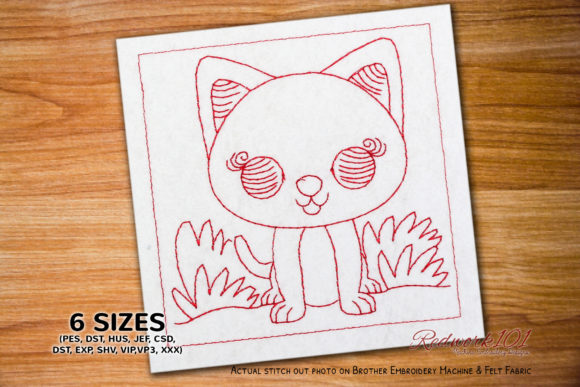
When I first opened the Cute Little Cat Design, my immediate thought was how perfectly it captured a gentle, playful mood. This isn't a fierce or regal feline; it’s an approachable, sweet companion. The shape and layout feel inviting and uncomplicated, a visual personality that leans towards warmth rather than boldness. For an embroidery designer looking to create products that feel personal and heartfelt, this theme is a natural fit.
The First Impression: Where This Cat Belongs
This design creates a mood of quiet affection. It’s the kind of image that makes you smile softly rather than laugh out loud. That’s a powerful distinction when choosing embroidery for real projects. I envision it living beautifully on a baby’s quilted blanket, a linen kitchen towel in a cozy home, or a canvas tote bag meant for a friend. It has a detail level that suggests clarity when stitched, without being overly dense or demanding. Its charm lies in its simplicity, which means it can adapt to many surfaces without losing its character.
Thinking Through a Real Project: A Custom Tote Bag
Let’s say I’m preparing a custom embroidered tote bag for a client who loves cats. My goal is to create a product that feels special, well-made, and enduring. The Cute Little Cat Design comes into play here because its friendly aesthetic aligns with a giftable, everyday item. I’d consider stitching it in a classic black or a soft gray thread on natural canvas. The design’s likely use of satin stitches for outlines and fill stitches for details would provide a clean, tactile finish that elevates the bag from plain to personalized. I can already imagine a customer’s reaction: a genuine, “Oh, how sweet!”—a reaction that translates directly into product value and customer trust.
Performance Across Real-Life Embroidery Situations
This design’s versatility is its strength. For custom apparel, like a soft cotton sweatshirt or a child’s t-shirt, it offers a non-intrusive, decorative accent. It wouldn’t overwhelm the garment. As an embroidered patch, it would hold its visual clarity, making it a lovely addition to a backpack or jacket. In the realm of small business merchandise, think of its application on apron corners, pillow covers for a boutique, or even as a repeating motif on nursery decor. For Etsy sellers and digital product sellers, this embroidery file serves as a reliable design asset for creating consistent, charming finished products. It’s equally suitable for holiday gifts like embellished tea towels or personalized products like wedding gift handkerchiefs.
Where It Needs a Careful Approach
While versatile, some applications require extra thought. On very small hoop sizes, the design’s smaller details must be checked for stitching clarity. Embroidering on textured fabrics like certain knits or stretchy fabric like some t-shirts demands the correct stabilizer to maintain the shape. If using it on dark fabric, a test run is crucial to ensure the chosen thread colors offer enough contrast; sometimes a lighter backing thread or a slightly adjusted palette can save the project. Applying it to curved surfaces like caps means paying close attention to how the design distorts in the hoop. And for any product destined for frequent washing, such as baby clothes or kitchen linens, verifying the stitch density is adequate to withstand wear is a professional necessity.
How This Design Impacts Your Work and Your Customer
From a professional standpoint, using a design like this affects more than just the stitch. It influences visual appeal in a way that feels handmade and intentional, not generic. That builds brand consistency for a maker whose style is gentle and cute. For the end customer, it enhances giftability and recognition—it’s a clear, memorable image. This translates directly to buyer engagement in an Etsy listing or at a craft fair. A well-embroidered, charming cat on a simple product speaks of professionalism and care, encouraging trust and repeat business.
Practical Notes From the Hoop
Before committing this design to a client project or a batch of small shop products, here’s my routine. Always test the design on scrap fabric first, using the same material and stabilizer you plan for the final product. This reveals any issues with stitch density or small detail integrity. Check the thread color contrast by viewing the design in a simple black and white mockup; it helps judge value separation. Compare light and dark fabric backgrounds mentally—would the design need a white underlay on dark denim? Inspect the design file to understand elements like the optional box stitch mentioned, confirming if it’s integral or decorative. Most critically, always confirm licensing before selling finished items or using the file for commercial embroidery projects. A clear understanding of usage rights protects your craft business.
A Final, Friendly Observation
The Cute Little Cat Design, in the end, is a tool for creating connection. Its unpretentious charm makes it a versatile player in the world of machine embroidery design. Whether you’re embellishing a holiday gift, building your line of boutique aprons, or creating a digital product preview for your shop, this design offers a reliable, heartwarming foundation. Remember, the magic happens when you pair a good embroidery file with your own professional practices: proper stabilizer, thoughtful fabric choice, and a keen eye for how stitches interact with texture. That combination turns a cute little cat into a beloved, stitched reality.