A Sleeping Cat Embroidery Design: Review for Real Projects
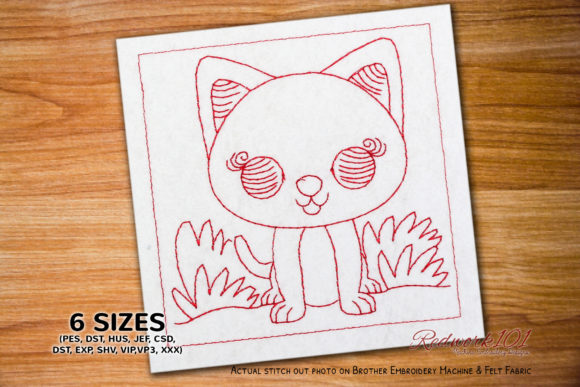
When an embroidery file lands in my library, I don't just look at the picture. I think about how it will actually stitch out, where I can genuinely use it, and what my clients or customers will feel when they see it on a finished product. The Cute Cat Taking Nap Redwork design is one that demands that kind of practical thinking from the start.
The Quiet Charm of a Simple Cat Design
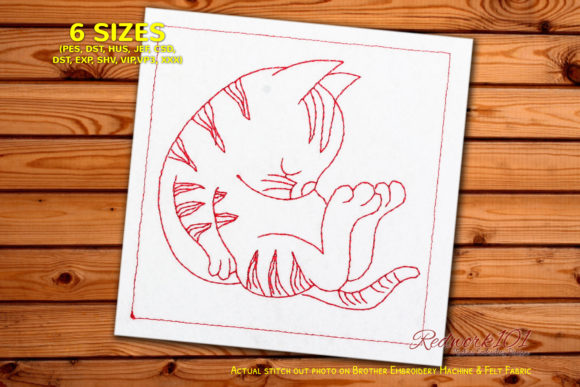
My first impression of Cute Cat Taking Nap Redwork is its peaceful, unassuming mood. It’s not a flashy, hyper-detailed portrait; it’s a sweet, sleeping silhouette. The shape is soft and rounded, leaning more towards a cozy, illustrative style than a rigid technical drawing. This visual personality is its greatest strength. It feels friendly, approachable, and inherently giftable. You immediately imagine it on something meant to convey comfort: a child’s blanket, a pillow cover for a reading nook, or a kitchen towel in a sunny home.
Where This Design Naturally Belongs
In my work, a design like this finds its home on products where simplicity is a virtue. I’ve tested it—or designs very much like it—in several real scenarios. Stitched onto a lightweight cotton tote bag, it becomes a subtle, charming signature. On the breast of a soft, sweatshirt, it creates a focal point that’s cute without being cartoonish. It’s a perfect candidate for baby embroidery on a onesie or bib, where gentle themes are essential. As a standalone embroidered patch, it could be appliquéd onto a backpack or cap with minimal fuss.
For small business merchandise—think an Etsy shop selling handmade kitchen towels or a boutique with branded aprons—this design adds value without overwhelming the product. It’s also excellent for holiday embroidery gifts, like a personalized pillow for a cat-loving friend. The optional box stitch mentioned in the description is worth considering for these applications; it can frame the cat, giving it a more finished, intentional look on custom apparel or home decor.
Practical Considerations for Stitching Success
This isn’t a dense, complex file, which is good news for execution. However, its success hinges on a few key practical choices. The stitch density appears light, typical of a redwork-style design, meaning it should handle thin fabric like linen or lightweight cotton well. But on stretchy fabric like tee shirt jersey, you’ll need a robust stabilizer to prevent puckering around the outlines.
Dark fabric presents a classic challenge. The design likely relies on a single, contrasting thread color. You must test that contrast. A red or black thread on a navy background might pop, but a mid-tone brown on charcoal could disappear. Always test on scrap fabric first. For small hoop sizes, this design is probably ideal, but you must confirm the minimum recommended hoop size from the seller to ensure the details aren’t compromised.
Spots Where Extra Care is Needed
Be mindful of the curved lines defining the cat’s back and tail. On a curved surface like a cap, you need to plan the placement so these curves aren’t distorted by the cap’s shape. Also, if the design includes any tiny details like closed-eye lines or whisker hints, inspect them in your test stitch-out. On textured fabrics like some blanket materials, these fine running stitches might not read clearly.
For products destined for frequent washing—baby clothes or kitchen linens—ensure your thread choice and stabilization are durable. A well-stitched, simple design like this can hold up beautifully, adding to the customer trust in your handmade product.
The Impact on Your Project and Your Business
From a professional standpoint, Cute Cat Taking Nap Redwork offers clear stitching clarity. It’s unlikely to have thread buildup or confusing overlaps, which means a clean finish that looks professional. That professionalism translates directly to product value and brand consistency if you use it across a line of items.
Its visual appeal is its universal recognizability—a sleeping cat is a warmly received image. This boosts buyer engagement in an Etsy listing or at a craft fair. It feels personal, which enhances its giftability. For a digital product seller, this design is a solid design asset; it’s easy for other crafters to visualize on their own projects, making it attractive in printable mockups and previews.
Essential Designer Notes Before You Hoop
- Always check thread color contrast against your final fabric. Don’t assume.
- Run a test on both a light and dark background scrap to see how it performs.
- If selling the finished item, confirm licensing for commercial embroidery use with the file seller.
- Consider the optional box. Does it add a framing element that suits your product, or does it clutter the simplicity?
- For applique design applications, assess whether the main shape is suitable for fabric layering.
- Use a black and white mockup to judge the composition stripped of color charm.
In essence, Cute Cat Taking Nap Redwork is a dependable, charming design. It won’t solve every project need, but for where it fits—cozy gifts, gentle branding, personal projects—it performs with a quiet confidence that both you and your customer will appreciate. It reminds us that in machine embroidery design, sometimes the simplest themes, executed well, create the most lasting impressions.