A Flamingo Embroidery That Feels Like Summer
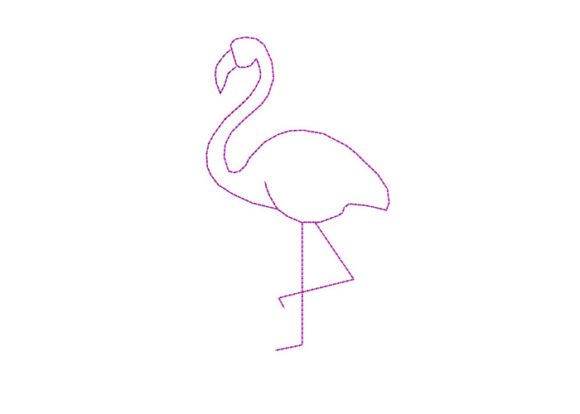
Every embroidery design tells a story before it’s even stitched. Opening the Flamingo Bean Stitch, I immediately got a sense of playful elegance. It’s not just a bird; it’s a mood. The bean stitch outline suggests a hand-drawn, artisanal quality, a departure from the rigid perfection of a dense satin stitch border. This gives it a soft, almost whimsical personality that feels perfect for projects where you want a touch of charm without overwhelming the piece.
Where This Flamingo Naturally Belongs
This design whispers “casual chic.” My mind goes straight to a linen tote bag for a beach day, a lightweight cotton baby blanket in a nursery, or the corner of a crisp kitchen towel. It has that gift-ready appeal. I can picture it beautifully on a light-colored sweatshirt for a boutique, or as a standalone patch on a denim jacket. The theme is universally cheerful, making it a strong candidate for holiday gifts—think Mother’s Day or a summer birthday—and for small shop merchandise where a recognizable, friendly motif builds brand consistency.
For Etsy sellers and creative entrepreneurs, this kind of design is a versatile asset. It can anchor a product line, from embroidered pillow covers to personalized aprons. In printable mockups for your digital embroidery file listings, it would show clear stitching and a defined shape, which helps with buyer engagement. Customers trust a design that looks achievable and visually distinct.
Thinking Through the Stitch: Real Project Considerations
When I evaluate a machine embroidery design for real use, I’m thinking past the screen. How will this Flamingo Bean Stitch look after stitching? On a light fabric, those outlined details will pop with crisp contrast. On a darker background, you’ll need to be strategic with thread color choices—a bright pink or white outline would be essential to maintain the design’s character. The bean stitch technique typically offers good clarity and a pleasing texture that adds to the handmade presentation.
The Ideal Canvas: Fabrics and Products That Will Showcase It
This design feels destined for stable, medium-weight fabrics where the outline can sit cleanly. Canvas tote bags, quilted cotton for pillow covers, mid-weight apparel like sweatshirts or t-shirts are excellent homes. For baby embroidery items, like a onesie or blanket, ensure you’re using a suitable stabilizer to handle the typically softer fabric. As a decorative accent on tea towels or aprons, it elevates a simple item into a thoughtful, giftable product.
Spaces Where a Little More Care is Needed
Any design with defined outlines requires attention on textured or very thin fabrics. The bean stitch might lose definition on a loosely knit sweater or a slinky rayon. Stretchy fabric and curved surfaces like caps can be tricky; the design’s layout needs to be hooped securely and tested. I wouldn’t automatically choose it for a very small hoop size unless the details are simplified—always inspect the small details in your software before committing. Dark fabrics, as mentioned, demand high-contrast thread. And for products destined for frequent washing, like apparel, a robust stabilizer and quality threads will ensure the Flamingo stays graceful.
The Practical Designer’s Checklist Before You Hoop
Confidence in your finished product comes from preparation. Here’s how I’d approach the Flamingo Bean Stitch before running it for a client project or craft fair product.
- Test on Scrap First: Always stitch a sample on a scrap of your intended fabric. This reveals the true stitch density, how the bean stitch interacts with your fabric texture, and any potential registration issues.
- Color Contrast Audit: Review your thread palette against your final fabric. Does it create the visual appeal you want? Sometimes a slight shift from a standard pink to a coral can make the design feel more custom.
- Hoop Size Harmony: Confirm the design’s size against your project’s available hoop area. A design too large for a baby item can look overpowering.
- Background Mockup: Test the design in simple black and white mockups. This helps visualize it stripped of color, focusing purely on form and how it would work for both light and dark fabric backgrounds.
- License for Your Use: Crucially, check the provided license. If you’re selling finished items like tote bags or patches commercially, or if you’re a digital product seller including it in a collection, clear licensing is foundational to your professionalism.
The product description notes it comes with multiple embroidery file formats. This is a significant practical advantage. It means you can likely use it across different machine brands, increasing its utility for your embroidery projects. Before starting, ensure you have the correct file for your machine.
Why This Design Adds Value to Your Work
Beyond the stitch itself, a design like Flamingo Bean Stitch affects your craft business on several levels. Its clear, cheerful personality enhances product value—it looks intentional and well-made. For customers, that builds trust. It feels like a complete, thoughtful handmade product rather than a generic applique. The giftability is high; it’s a recognizable, pleasant theme people love to give and receive.
For apparel decorators and boutique owners, using such a cohesive design across a product line (e.g., on sweatshirts, caps, and patches) creates a subtle brand consistency. It’s a design asset that works hard. In commercial embroidery projects, its relatively clean outline likely means a efficient stitch-out time, which matters for volume.
In the end, the Flamingo Bean Stitch isn’t just a bird embroidery. It’s a versatile tool for creating products with a specific, sunny vibe. With practical testing and mindful application to the right fabrics and projects, it can become a reliable part of your creative repertoire, whether you’re making a single personalized gift or stocking an entire Etsy shop.