A Real-World Review of Bird Feeding New Born Chicks Redwork
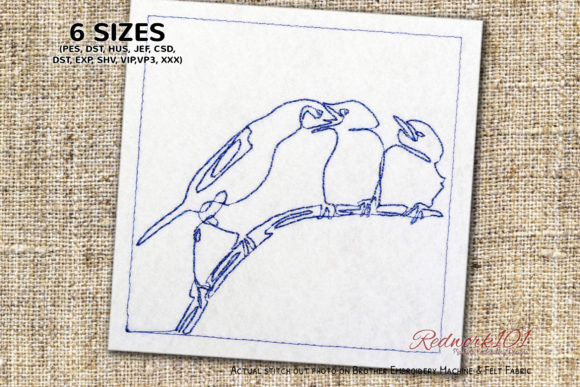
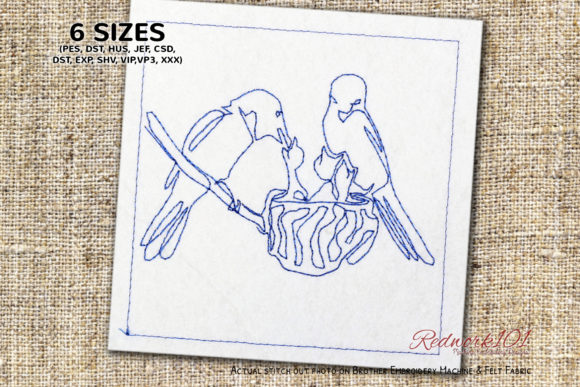
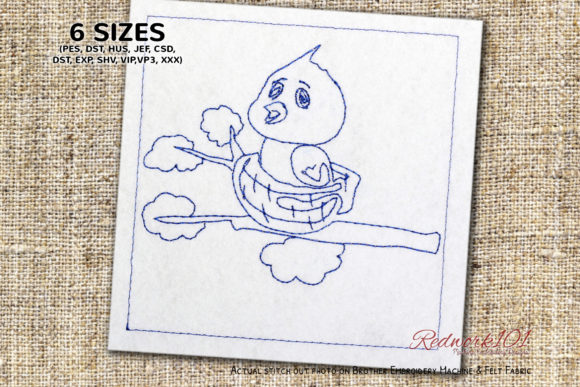
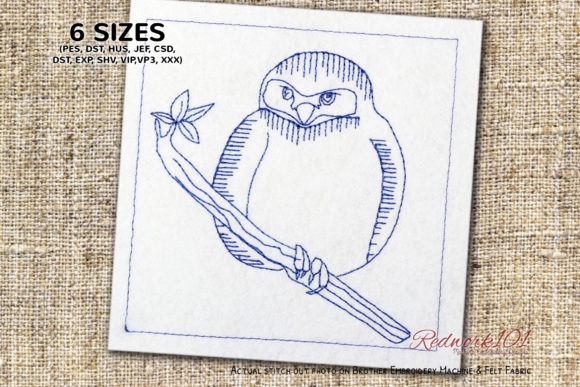
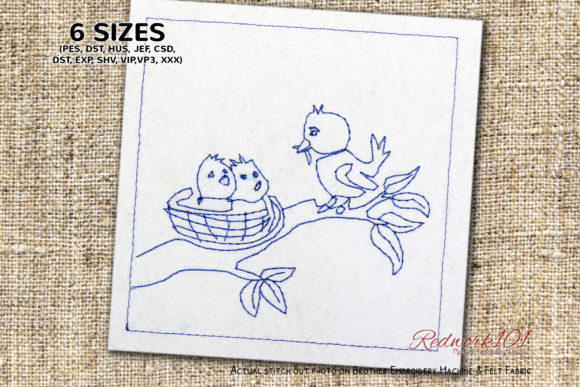
When I first opened the Bird Feeding New Born Chicks Redwork embroidery file, my immediate thought was not about the technical specs, but about the mood it creates. This is a design that speaks softly. The theme—a parent bird tenderly feeding its chicks—is universally gentle. It’s not flashy; it’s heartfelt. The layout feels balanced, with a natural focus on that intimate moment between the birds. The detail level, as a classic redwork style, suggests clean lines and a focus on shape over color, which gives it a timeless, hand-drawn personality. This isn’t a design for a bold brand logo; it’s a design for a story.
The Kind of Project It Calls For
In my hands, this design feels destined for projects where emotion is the product. Imagine stitching this onto the corner of a linen pillow cover for a nursery. Picture it centered on a heirloom-quality kitchen towel, a gift for a new parent. Or consider it as the sole, elegant decoration on a canvas tote bag meant for a baby’s library books. Its visual personality is quiet and nurturing, making it a perfect candidate for personalized gifts, boutique baby products, or thoughtful holiday presents like embroidered blanket edges. For Etsy sellers and makers focusing on heartfelt merchandise, this design adds value through sentiment, not just stitch count.
Where It Excels in Commercial & Personal Projects
From a practical embroidery standpoint, the redwork style of Bird Feeding New Born Chicks Redwork is a versatile ally. The likely use of running stitch outlines means the stitch density should be manageable, making it a good candidate for a range of fabrics. I’ve mentally tested it across several real-life scenarios. On a cotton baby onesie, with a good stabilizer, it would create a delicate, washable decoration. As an embroidered patch applied to a denim jacket, it becomes a subtle statement. On a flat-woven apron or a tea towel, it would stitch out cleanly and stand up to use. For a small business owner creating a line of embroidered nursery decor, this design offers cohesive branding—a gentle, natural theme that customers trust. In printable mockups for digital product sellers, its clear lines would show well even in black and white previews, aiding buyer engagement.
Scenarios Where a Designer’s Caution is Key
While its charm is broad, its application needs smart boundaries. The detail in the chicks and the adult bird, especially around the feeding interaction, means very small hoop sizes could compromise clarity. I would be cautious putting this on stretchy fabrics like thin t-shirts without extensive testing; the design's integrity could warp. Similarly, textured fabrics like some sweaters might obscure the fine lines. Dark fabric backgrounds require careful thread color contrast planning—a classic red thread might not sing on a navy blue. And on curved surfaces like caps, the design's potentially wider layout might need adjustment to fit comfortably. The optional box stitch mentioned in the description is a notable feature. If that border is not part of the core artwork, skipping it as advised makes perfect sense for a cleaner, more integrated look on finished products like pillow covers or apparel, where an artificial box can feel commercially tacky rather than handmade authentic.
How This Design Translates to Customer Perception
When you stitch this design onto a final product, you're not just selling embroidery; you're selling a feeling. That directly impacts visual appeal and product value. A tote bag with this motif becomes a "mother's day gift," not just a bag. A sweatshirt with it becomes "cozy and caring." This emotional resonance boosts giftability and can enhance a small shop's brand as one that values warmth and craftsmanship. The professionalism of the final piece hinges entirely on execution: crisp stitches, appropriate fabric choice, and thoughtful placement. A well-embroidered version of this design on a high-quality item builds immense customer trust and can turn a single sale into repeat business for your craft business.
Practical Notes From the Hoop
Before you commit this file to a client project or a batch of craft fair products, here is my grounded advice. Always, always test Bird Feeding New Born Chicks Redwork on a scrap of your target fabric first. This is non-negotiable. Check the thread color contrast against your final background. Review how the stitch density interacts with your material—does it puckering on lightweight cotton? Confirm the effective hoop size needed to keep all details sharp. Inspect those small details, like the chicks' outlines, in your test run. Does it read clearly? Also, test the design in a simple black and white mockup to see how it holds up as a graphic asset for your listings. Use a proper stabilizer suited to your project; this isn't a design you can wing. Finally, a critical step for commercial embroidery and digital product sellers: confirm the licensing terms of this embroidery file before selling finished items or derived digital products. Knowing your rights protects your business.
The Final Impression: A Design With Purpose
Bird Feeding New Born Chicks Redwork isn't the most complex file you'll ever run, but in the right hands, it might be one of the most meaningful. It avoids hype through its simplicity. Its value lies in its application. For apparel decorators, it offers a niche theme. For creative entrepreneurs, it provides a design asset that speaks to a specific, loving audience. For hobbyists and makers, it’s a satisfying project with a clear, beautiful outcome. My review, based on thinking through real projects from tote bags to baby blankets, is that this design succeeds when you match its gentle intent with a thoughtful product. It asks you to consider not just the machine embroidery design, but the story your finished product will tell. That’s the mark of a useful design file: it inspires the project, not just the stitch.