A Practical Review of Elm Tree Redwork for Embroidery Projects
Let’s talk about Elm Tree Redwork. When a new embroidery file lands on my desktop, my first question isn’t just about aesthetics—it’s about viability. How will this design translate from digital pixels to real thread on fabric? How will it behave in the hands of a crafter or on a product destined for a customer? I’ve been testing designs for real project use for years, so I approach each one with a practical eye for the eventual stitch.
The First Impression: Quiet Strength in a Single Line
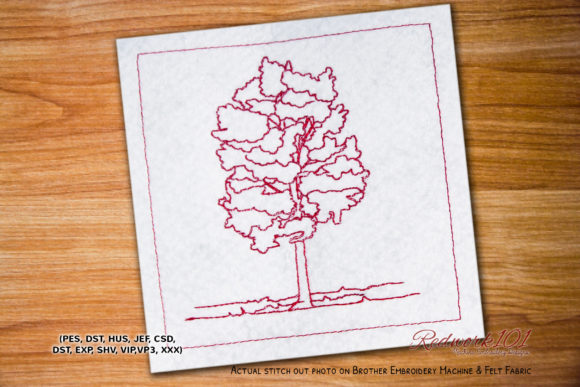
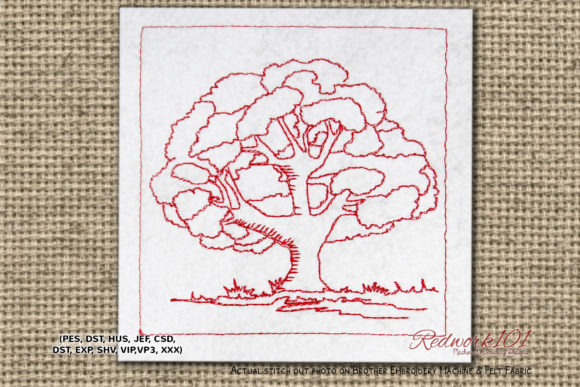
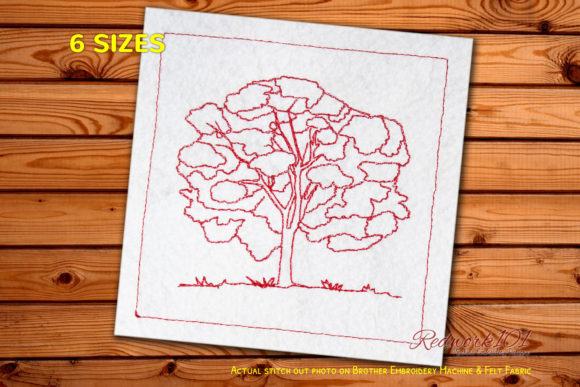
Elm Tree Redwork creates an immediate mood of quiet, rooted strength. The elegance of the single-line style—a classic redwork approach—means it’s defined by its outline. There’s a beautiful simplicity in its branching form. It feels established, calm, and slightly nostalgic. This isn’t a loud, dense forest scene; it’s a singular, dignified statement. The visual personality leans toward timelessness rather than trendiness, which is a huge advantage for a wide range of projects.
The layout is clean and centered, with a natural flow that makes it an excellent candidate for a focal point. The detail level is thoughtful: enough branching complexity to feel like a real Elm Tree, but not so intricate that it becomes a headache on textured or stretchy fabrics. This design naturally belongs to projects where subtlety and craftsmanship are valued over flashy color.
Where Elm Tree Redwork Performs Brilliantly
Imagine you’re preparing a custom embroidered linen tote bag for a boutique. Or a minimalist sweatshirt for a small shop. This is where Elm Tree Redwork shines. Its single-color, outline-based nature makes it remarkably adaptable. On light-colored cotton, linen, or canvas—think tea towels, apron bibs, or pillow covers—it will stitch out with crisp clarity. The relatively open stitch density means it won’t distort lighter fabrics as much as a heavy fill stitch design might.
For personalized gifts like wedding or holiday gifts, it carries a weight of meaning without being overly specific. It’s a tree, a symbol of growth and permanence, which people intuitively connect with. As an embroidery project for a baby item, say a nursery decor pillow or a simple blanket corner, it offers a gentle, natural theme. For Etsy sellers and craft business owners looking to create a cohesive line, this design could anchor a whole collection of forest-inspired handmade products.
It’s also a fantastic candidate for an embroidered patch. Stitched on twill and trimmed, that clean outline would make a beautiful, sew-on or iron-on patch for bags or jackets. In the realm of digital embroidery files and design assets, its simplicity is a boon for creating clean printable mockups for your online listings. The lack of a complex color palette means it renders clearly in previews.
Careful Consideration: Where This Design Needs a Plan
Now, the practical realities. While the design is versatile, its success hinges on execution. On dark fabric, a single red line might not have enough contrast unless you choose a very bright or metallized thread. Always test on scrap fabric first. The “box stitch” mentioned as optional in the description—likely a bounding outline—is a note I’d pay close attention to. In most cases, skipping it directly would probably be my choice to keep the focus purely on the tree, but I’d inspect the file carefully to ensure the tree itself is complete without it.
On small hoop sizes, like those used for caps or delicate baby clothes, you need to check that the design’s total size fits comfortably and that the finer branching details won’t become a muddled series of tiny stitches. Similarly, on stretchy fabric like t-shirts, using a robust stabilizer is non-optional to prevent puckering along those longer running stitch lines.
Products that need frequent washing, like kitchen towels or everyday sweatshirts, benefit from this design’s simpler stitch structure, but you must ensure your thread choice and stabilizer technique are durable. I’d avoid very textured fabrics like loose-weave linen for a first attempt without testing, as the outline could skip or break on uneven surfaces.
Professional Notes for a Flawless Finish
Here’s my checklist before I’d commit Elm Tree Redwork to a client project or my own small shop product:
- Test, test, test. Run it on the exact fabric type and color you plan to use. Observe the thread color contrast.
- Check the file in a viewer. Inspect small details, especially at the branch ends, to ensure clarity.
- Compare light and dark backgrounds. Create simple black and white mockups to see how it will appear in your online store photos.
- Confirm licensing. This is critical for commercial embroidery and selling finished items. Ensure your use is permitted.
- Consider the product’s entire life. Is this for a one-time holiday gift or a product line meant for years? That influences your material choices.
The Impact on Your Product and Your Customer
Using a design like Elm Tree Redwork effectively boosts visual appeal through understatement. On a finished product, it speaks of intentional craftsmanship rather than mass production. That enhances product value and customer trust. For a creative entrepreneur, it supports brand consistency if your vibe is natural, calm, and handmade.
Its giftability is high because it’s universally pleasant but not generic. The professionalism of a cleanly stitched outline design on, say, a high-quality tote bag, directly increases buyer engagement in an Etsy listing or at a craft fair. People recognize quality in simplicity.
Ultimately, Elm Tree Redwork is a strong, flexible machine embroidery design. It won’t do all the work for you—your skill in pairing it with the right materials and project is key—but it provides a beautifully composed foundation. It’s a design that, when stitched with care, turns a simple piece of fabric into a thoughtful, enduring object. That’s the kind of embroidery file that fuels a successful craft business and brings genuine satisfaction to a hobbyist’s hands.