A Designer's Craft Fair Review: Cactus Succulents Redwork
As an embroidery designer preparing for a weekend craft fair, my first task is to review every new design file with a critical, market-focused eye. Today, I’m looking at the Cactus Succulents Collection Redwork. This is a classic Single Flowers embroidery file, and my job is to figure out how to turn it into products that will catch a customer’s glance, hold their attention, and convince them to buy from my booth. Here’s my real-world assessment.
First Impression: Minimal, Modern, and Market-Friendly
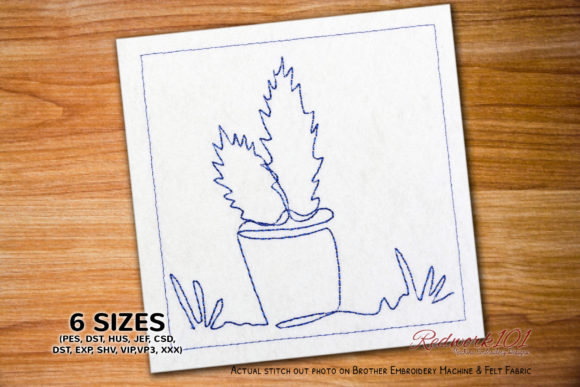
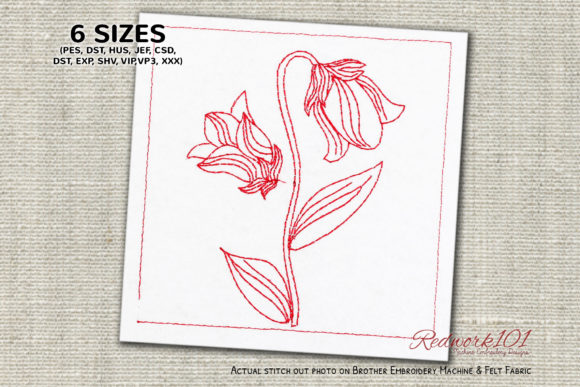
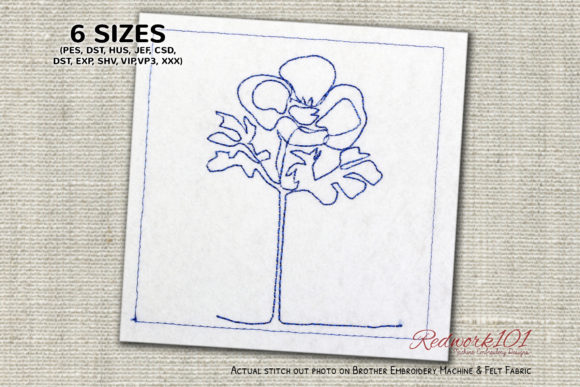
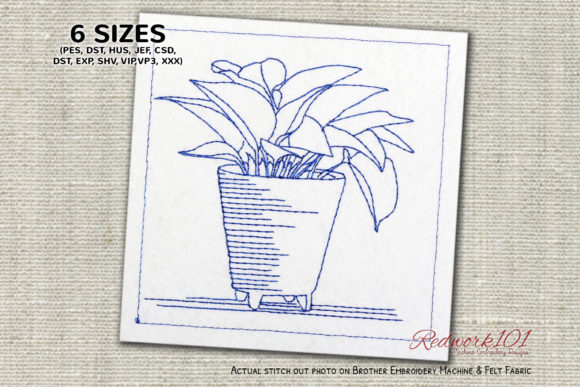
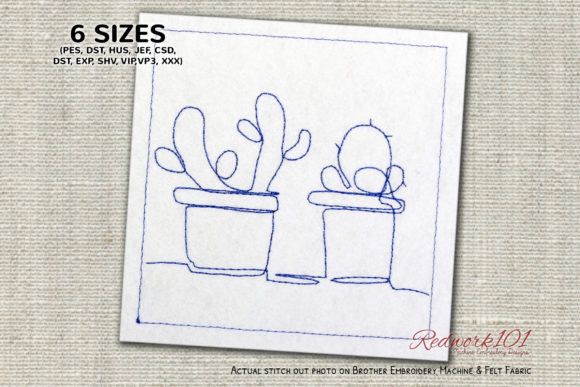
The Cactus Succulents Collection Redwork immediately gives a sense of clean, modern charm. The “Redwork” style—typically single-color outline stitching—leans towards a minimalist and decorative feel. It’s not overly rustic or farmhouse, nor is it particularly bold. Instead, it feels soft, premium, and graphic. This is a key strength. At a busy market, designs that are too busy can overwhelm; simplicity often sells because it’s easy to appreciate at a glance. The optional “box stitch” mentioned in the description adds a interesting framing element, but knowing I can skip it gives me flexibility to adapt the design to different products.
Where This Design Will Shine on the Sales Table
My booth will have tote bags, aprons, tea towels, caps, patches, pillow covers, and small pouches. For the Cactus Succulents Collection Redwork, I see clear winners.
Tote bags and market bags are a perfect canvas. The design’s clean lines will look elegant on a neutral canvas or linen bag. It becomes a sophisticated accent rather than a loud statement.
Apron embroidery and kitchen towels are another excellent fit. The botanical theme naturally complements kitchen textiles. On a tea towel, especially a textured one, this redwork design will look handmade and artful without being kitschy.
Pillow covers offer a chance to go larger. As a focal point on a pillow, the collection can be scaled up, creating a beautiful decorative home item that elevates the entire booth’s perceived quality.
Embroidered patches and small fabric pouches are great for lower-price-point items. The design is likely clear enough at smaller sizes to work as a patch, appealing to customers looking for a quick, cute gift.
I would be cautious about caps. Curved surfaces and potentially dense stitch areas in a cactus design might pose challenges. A test on scrap fabric is essential here.
Practical Production: What to Test Before Batch Sewing
Turning a digital embroidery file into a successful craft fair product requires practical checks. For this Cactus Succulents Collection Redwork, my designer notes are:
- Test on Scrap Fabric First: Always do this. I need to see how the stitches look on the actual fabrics I’ll use—cotton, linen, canvas.
- Check Thread Contrast: Redwork implies a single color, but that color needs to pop. On dark fabric, I might need a brighter or lighter thread. On light fabric, a classic red or even a dark green could work beautifully.
- Review Stitch Density and Spacing: Cactus shapes might have concentrated areas. I’ll inspect the sample for any overly dense sections that could pucker thick fabric or stiffen a tea towel.
- Confirm Hoop Size: The product description doesn’t specify, so I must check the file details. Knowing the minimum and maximum hoop size is crucial for planning product sizes, especially for batch production.
- Use the Right Stabilizer: Fabric texture matters. For kitchen towels, a sturdy stabilizer is a must to keep the design clean despite the towel’s loose weave.
- Create a Real Mockup: Before I embroider twenty tote bags, I make one finished product. This is my booth sample. It shows customers the real handmade quality and helps me judge the production time.
Selling Power: Attention, Value, and Booth Cohesion
How does this design help me sell? The Cactus Succulents Collection Redwork affects several key sales factors.
Customer Attention: Its minimalist style creates a visual pause in a bustling booth. It’s not shouting; it’s inviting a closer look. On a well-displayed pillow cover or tote bag, it will draw customers who appreciate subtle, modern craft.
Product Value Perception: Clean, precise embroidery looks professional and premium. This design, executed well, can elevate a simple tea towel from a utilitarian item to a giftable handmade product, allowing for a higher price point.
Booth Display Strength: Using this design across a range of products—a towel, a pouch, a pillow—creates a cohesive theme. A “botanical corner” in my booth tells a story and builds brand consistency for my small shop.
Buyer Engagement: A design like this often sparks conversation. Customers might mention their love for succulents or ask if it comes in other colors. This engagement is a golden sales opportunity.
Careful-Use Notes for a Smooth Production Run
Every design has its quirks. For successful commercial embroidery, I’m mindful of the following with this collection:
- Tiny Details: Some succulent illustrations might have fine lines or small dots. I need to ensure these don’t lose clarity when scaled down for a patch or cap.
- Small Lettering: If the design includes any tiny text, I’ll evaluate if it’s practical to stitch and readable on the final product. Often, it’s best omitted for craft fair items.
- The Optional Box: The description notes the outer box stitch can be skipped unless part of the design itself. On most products, I’d likely skip it to keep the look purely organic and unframed, simplifying production.
- Batch Production Repeatability: Is this design efficient to produce multiple times? A clean, not overly complex redwork file usually is. That’s good for making a batch of tea towels or pouches for the fair.
- Photography for Online Listings: For my Etsy shop or printable mockups, this design will photograph well. The single-color, high-contrast stitching looks sharp and clear in product photos, which is vital for digital sellers.
The Final Verdict for Handmade Market Success
The Cactus Succulents Collection Redwork is a strong contender for my craft fair product line. It leans into the popular botanical trend with a modern, minimalist execution that translates well across multiple product types. Its real selling power lies in its adaptability and premium feel.
My action plan is clear: check the specific embroidery file details for hoop size and stitch counts, run my fabric and thread tests, and then focus production on the winners—tote bag designs, tea towel embroidery, and pillow covers. I’ll create one stunning booth sample pillow to act as a focal point, and batch-produce a line of kitchen towels for their reliable sales appeal. With careful attention to stabilizer and fabric choice, this design can become a staple in my handmade product arsenal, appealing to the creative entrepreneur looking for designs that are both beautiful to make and easy to sell.