A Designer's Review: The Anemone Flower Embroidery File
When preparing for a weekend craft fair, selecting the right embroidery designs is a crucial business decision. Today, I'm reviewing the Anemone Flower embroidery file from the perspective of a designer looking to turn it into profitable, handmade products for a booth. The goal is to assess its visual appeal, production practicality, and sales potential across the typical range of craft fair items like tote bags, aprons, tea towels, and patches.
The First Impression: Elegant & Decorative
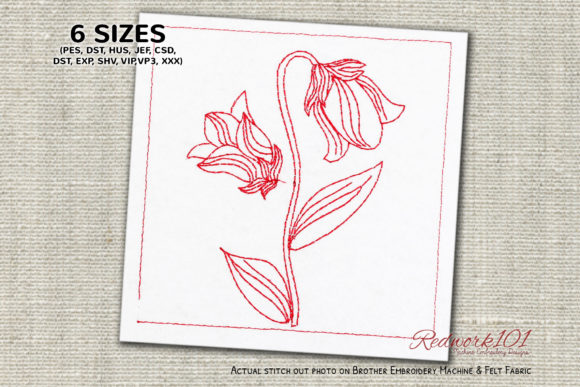
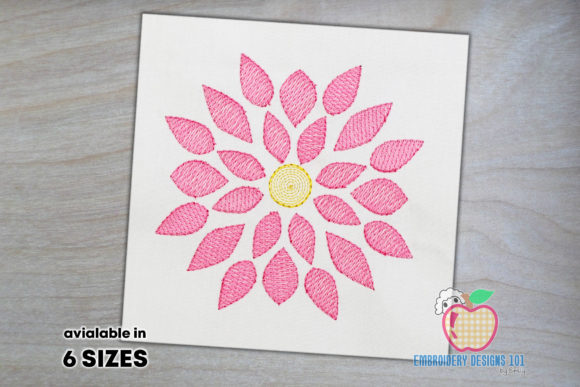
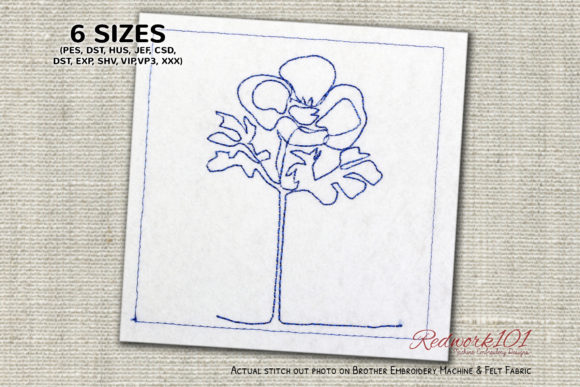
The Anemone Flower design, categorized as a Single Flower, immediately conveys an elegant and decorative mood. It's not overly rustic or cute; it leans toward a classic, botanical aesthetic that feels both premium and soft. This is a significant advantage. At a bustling market, designs that are too niche can get lost, but a beautiful, recognizable flower like an anemone has broad appeal. It can attract customers looking for something garden-inspired, feminine, or simply beautiful to add to their home or wardrobe. The optional mention of a Box Stitch frame suggests flexibility—it can be presented as a clean, standalone floral motif or as a more formal, framed piece, which is excellent for tailoring the design to different product styles.
Product Placement: Where This Design Will Shine
Not every design works on every product. Based on its elegant and decorative character, the Anemone Flower has clear winners for craft fair application.
Premium Home Goods & Giftable Items
This design excels on products where elegance is paramount. Pillow covers and high-quality tea towels are perfect carriers. The floral motif adds a touch of handmade sophistication that increases perceived value. A well-executed Anemone Flower on a linen pillow cover can easily become a standout, higher-price-point item in your booth. Similarly, on an apron, it transforms a functional kitchen item into a decorative, gift-worthy piece.
Versatile Wearables & Accessories
For wearables, consider tote bags and market bags. The design is likely detailed enough to serve as a beautiful focal point on a bag's panel, making it a desirable handmade product. On caps, you must be cautious; the curved surface and potential for smaller application size could compress the details. It might work best on a larger, flat-front cap style if the hoop size permits. For small pouches or fabric pouches, it can serve as a lovely accent, elevating a simple item.
The Embroidered Patch Potential
Creating an embroidered patch from the Anemone Flower is a fantastic idea for diversifying your product line. Patches are low-cost to produce and highly giftable. This floral design would make a beautiful, standalone patch for jackets or bags, appealing to a different customer segment. However, this application requires careful attention to stitch density and clarity at a potentially reduced size.
Practical Production & Sales Considerations
Turning a digital embroidery file into a profitable craft fair product involves real-world logistics. Here’s my evaluation.
Understanding & Photographing the Design
The Anemone Flower should be easy for customers to understand at a glance—it’s a flower, beautifully rendered. This clarity is vital for quick booth engagement. For online sales, like Etsy listings, it will photograph well, especially on light or neutral fabrics where the thread colors pop. The optional box frame adds a compositional element that can make product photos look more polished in printable mockups or real photos.
Batch Production & Design Consistency
This design feels repeatable for batch production. A single flower motif, without complex layered elements (assuming the box is optional), is efficient to embroider multiple times on items like a series of tea towels or tote bags. This consistency strengthens your brand consistency at the fair. However, always test the design on scrap fabric first. Check for any overly dense stitch areas in the flower center or petals that could cause puckering on lighter fabrics like those used for towels.
Critical Application Notes
- Fabric Choice: The elegance of the Anemone Flower is best preserved on smooth or finely textured fabrics. On heavily textured towels, some detail might be lost. On dark fabric, you must ensure the thread color palette has enough contrast.
- Size Scaling: This is crucial. As a Single Flower design, it may contain tiny details. If you plan to use it on smaller items like caps or small patches, you must confirm it retains clarity at a smaller size. Designs with fine lines can become muddled.
- Stabilizer & Hoop Size: Always use the correct stabilizer for your chosen product fabric. The required hoop size is a key piece of data not provided here—you must check this detail in the file before production to ensure it fits your intended products.
Maximizing Booth Impact & Customer Engagement
At the craft fair itself, your products need to work together to draw attention and tell a story.
The Anemone Flower can contribute significantly to your booth's display strength. A cohesive line of products featuring this design—a towel, a pillow, a tote bag—creates a visually appealing section that signals quality and theme. It enhances handmade quality perception because a well-embroidered floral design showcases skill. To maximize buyer engagement, create at least one real mockup as a booth sample. Let customers touch and see the actual embroidery on a tea towel or pouch. This tactile experience sells better than any picture.
Regarding the optional box, consider your booth aesthetic. If your overall brand is clean and modern, skip the box for a more minimal look on your products. If it's more classic or decorative, using the box on select items like pillow covers could add a formal touch that increases perceived value.
Final Designer Advice Before You Produce
Before you commit this design to a batch of products for your fair or your small shop, undertake these final checks.
- Licensing: Absolutely confirm commercial licensing for the Anemone Flower embroidery file before selling any finished products. This is a non-negotiable step for any digital embroidery file.
- Thread & Fabric Contrast: Review spacing and detail levels by stitching a sample on both a light and a dark scrap of your intended product fabric. Check if the thread colors need adjustment for optimal visibility.
- Inspect Stitch Density: Run the design and observe. High density areas can be problematic on thin fabrics. Adjust your stabilizer or even consider a slightly larger hoop size to minimize stress on the fabric.
- Compare Product Applications: Don't just guess. Stitch the Anemone Flower on a scrap of towel fabric, bag fabric, and patch backing. Compare the results. This small investment in time prevents wasted materials and ensures you choose the best products for this elegant floral design.
In summary, the Anemone Flower embroidery design is a strong contender for craft fair success. Its elegant, decorative appeal translates well to premium home goods and giftable items, which often command better prices and attract thoughtful buyers. With careful attention to production details—especially size scaling and fabric choice—it can become a reliable, beautiful part of your handmade product line, strengthening your booth's appeal and your brand's aesthetic.