Reviewing Dahlia Flower Sketch for Boutique Sweatshirt Embroidery
When a small boutique approaches me for a premium sweatshirt collection, the embroidery design selection is paramount. It sets the tone for the entire drop. Today, I’m evaluating Dahlia Flower Sketch, a machine embroidery design, for exactly that purpose. My review comes from the perspective of an apparel decorator tasked with turning digital files into tangible, sellable handmade products.
First Impression: The Mood & Stitching Personality
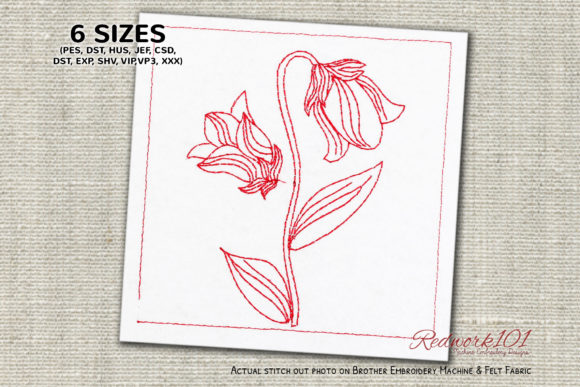
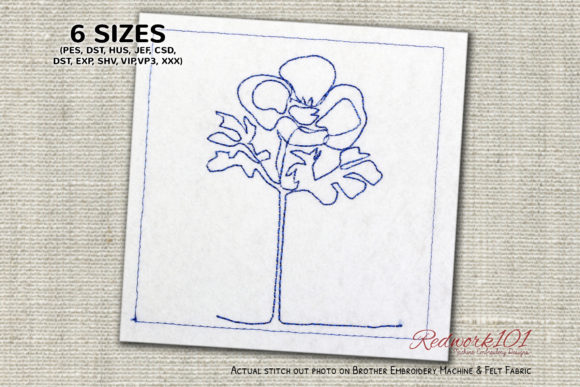
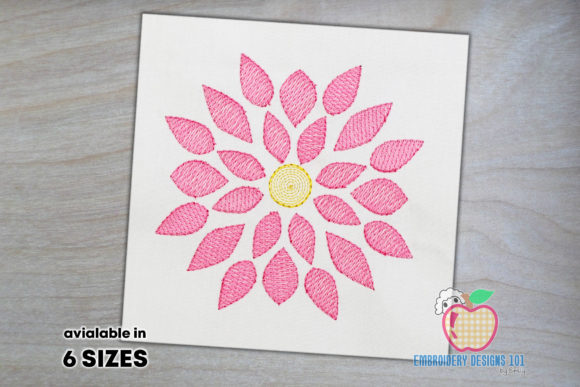
Opening the Dahlia Flower Sketch embroidery file, the immediate impression is one of casual elegance. The sketch style suggests a hand-drawn, artistic feel rather than a rigid, technical illustration. This is key. For a boutique brand targeting customers who value a handmade presentation, this design communicates effort and artistry. It feels feminine without being overly floral, rustic without being rough, and carries a subtle playful energy through its loose lines. The description notes it’s “not 100% filled,” which, visually, means it will have a lighter stitch density. This translates to a softer, more textural finish on the fabric, allowing the sweatshirt’s base material to interact with the stitches—a premium detail often lost in overly solid designs.
Applying Dahlia Flower Sketch to Sweatshirt & Hoodie Designs
The core of this project is apparel. How does Dahlia Flower Sketch perform as a sweatshirt embroidery or hoodie design?
Placement & Visual Impact
For a classic chest placement on an oversized hoodie, this design sings. Its organic layout isn’t overly symmetrical, giving it a natural, almost accidental beauty that aligns with contemporary casual aesthetics. On a dark fabric—like a charcoal or black sweatshirt—I would recommend lighter, contrasting thread colors (a soft cream or pale grey) to make the sketch pop without feeling stark. On neutral tones like heather grey or oatmeal, richer threads (dusty rose, muted green) would add depth. For pastel-colored sweatshirts, the design becomes a delicate, decorative accent, perfect for a cozy, seasonal apparel line marketed for spring or gentle autumn days.
Sleeve accents or smaller back designs are also viable, but here the provided multiple sizes are crucial. I must remind every Etsy seller and small shop owner: always verify the exact sizes and hoop size requirements in the design’s specifications before production. A smaller version must retain readability; the sketch style’s open lines should hold up if the reduction is handled well by the digitizer.
The Boutique Merchandise Perspective
This isn’t just about stitching; it’s about building a brand. Dahlia Flower Sketch offers strong visual recognition. In lifestyle product photography or printable mockup previews for your Etsy listings, the design conveys a specific mood—artistic, thoughtful, soft. This directly affects perceived product value and buyer trust. Customers engaging with a boutique brand want to feel the story behind the item. A well-executed embroidery like this, positioned as a handmade product feature, tells that story instantly.
Practical Designer Concerns for Commercial Use
Moving from aesthetics to the machine, here’s my breakdown for commercial embroidery application.
Stitch Density & Fabric Compatibility
The note about not being fully filled is a significant technical advantage for sweatshirts. High-density designs can pucker thick fabrics like fleece-backed sweatshirts or feel overly rigid. The lighter density suggested by Dahlia Flower Sketch likely means better compliance with the fabric texture. It should lay flat and soft, preserving the garment’s comfort—a premium expectation. Pairing it with a robust cutaway stabilizer for sweatshirts will ensure stability while maintaining that desired soft hand-feel.
Durability & Production Flow
Is it strong enough for repeated production runs? The sketch style, with its likely mix of running stitches and lighter fills, should be durable if the digitization is clean. Washing durability will depend on thread quality and proper stabilization, but the design itself isn’t inherently fragile. Its “fun and easy to stitch” description, as provided, hints at a smooth production flow, minimizing thread breaks or re-hooping issues—critical for a small shop managing a limited drop without industrial equipment.
Again, for any digital embroidery file, confirming the actual stitch count, file formats for your machine, and any implied license terms for custom apparel branding is a non-negotiable step before you hoop the first garment.
Final Thoughts on Brand Identity & Customer Engagement
Choosing Dahlia Flower Sketch for a boutique sweatshirt collection is a deliberate branding decision. It leans into the Single Flowers category with a modern, illustrative twist. It feels minimal yet decorative, avoiding the cluttered look that can cheapen an item. This balance elevates the final product from basic embroidery to a considered design asset.
For the creative entrepreneur, it offers versatility across garment colors and styles, supporting a cohesive collection look. The finished product, photographed well, engages customers by highlighting craftsmanship. It doesn’t scream “logo”; it whispers “artisan.” That subtlety, when executed with attention to thread color contrast and precise placement, can define a brand’s identity as one dedicated to thoughtful, wearable art.
In summary, from a professional embroidery designer’s view, Dahlia Flower Sketch presents a compelling option for a premium, casual sweatshirt line. Its aesthetic mood aligns with boutique values, and its technical description suggests practical production benefits. My final recommendation would be to test it on your specific sweatshirt fabric, play with thread palettes, and see how this sketch transforms from a digital file into the heart of your next handmade collection.