Bluebell Flower Redwork: A Boutique Sweatshirt Design Review
From the first glance, Bluebell Flower Design Redwork presents itself with a quiet confidence. It’s a design that doesn’ shout, but rather whispers a sense of delicate, natural charm. In the hands of a boutique brand looking to create a premium, limited sweatshirt collection, this embroidery file offers a compelling starting point. Its mood is decidedly feminine and rustic, yet carries a minimalist elegance that feels both decorative and timeless. This isn’ a bold, graphic statement; it’s a subtle, crafted detail that speaks to quality.
First Impression: Mood and Stitching Personality
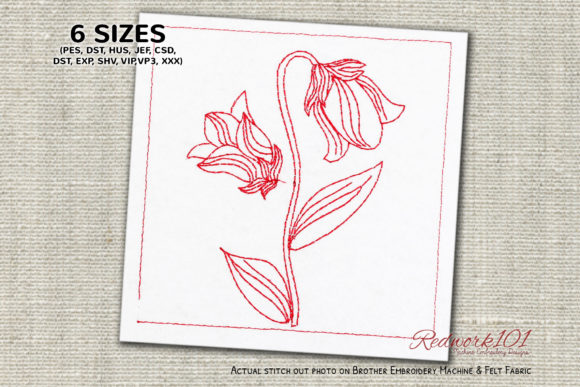
The layout suggests a singular focus—a classic trait of the Single Flowers category. The redwork technique, traditionally defined by outlines in a single color (often red, but interpretable), implies a design built on clean lines rather than filled areas. This gives the finished embroidered product a lighter, more delicate stitching personality. The detail level appears intentional, aiming for recognition without overwhelming density. On a premium sweatshirt, this translates to a refined, almost illustrative feel. It’s cute and playful in a gentle, sophisticated way, not overtly childish. The optional box stitch mentioned in the description is a curious note; skipping it as suggested would lean into a pure, unframed floral motif, which aligns perfectly with a casual yet elevated aesthetic.
Application on Boutique Apparel: Placement and Context
For a small shop product like a limited sweatshirt drop, placement is key. Bluebell Flower Design Redwork would excel as a classic chest placement on an oversized hoodie, sitting neatly over the heart area. Its scale and likely detail make it ideal for that focal point. On a dark fabric—like a charcoal or navy sweatshirt—the chosen thread color (crucial for contrast) would pop beautifully, creating that handmade product presentation customers cherish. On neutral tones like cream, oat, or light grey, the design would soften further, blending into a cozy, seasonal apparel vibe.
Consider it also as a subtle sleeve accent, perhaps smaller in size, or even as a minimalist back design on a cropped, cozy sweatshirt. For lifestyle product photography and Etsy listings, this design offers clean visuals. It won’t clutter the garment in mockup previews, allowing the quality of the sweatshirt itself to shine alongside the embroidery. It feels inherently suitable for custom apparel branding where the brand identity is built on nature, gentleness, and understated craftsmanship.
The Practical Designer Evaluation: Durability and Execution
Moving beyond aesthetics, a professional must consider the technical fit for commercial embroidery on apparel. The redwork style, with its likely lower stitch density, is a friend to thicker fabrics like sweatshirt material. It reduces the risk of puckering and maintains fabric texture, which is vital for a premium feel. However, hoop placement and stabilizer choice remain paramount. A good, cut-away stabilizer will support the design without compromising the softness of the sweatshirt.
Thread color contrast is the first practical concern. “Redwork” is a style description, not a color mandate. For a boutique sweatshirt collection, choosing a thread color that complements the garment color is essential. On a pastel pink hoodie, a deep green or navy outline might be stunning. On a dark garment, a ivory or light blue thread could be magical. This flexibility is a strength.
Small-size readability is another test. If the design is scaled down for a sleeve or smaller garment, the linework must remain clear and distinct. A reminder here: before production, check the actual stitch count and recommended hoop size of the digital embroidery file. This ensures the design feels strong enough for commercial apparel use and maintains washing durability.
The description’s note about the optional box stitch is practical. Omitting it simplifies the embroidery process and focuses the visual entirely on the bluebell, which for most boutique applications, is the desired outcome. It makes the design more versatile and reduces thread change complexity.
Impact on Product Value and Brand Perception
For handmade business owners and Etsy sellers, using a design like Bluebell Flower Design Redwork directly affects perceived product value. A clean, well-executed embroidery of this nature signals attention to detail. It builds buyer trust because it looks intentionally crafted, not randomly applied. It enhances visual recognition for your brand—if bluebells or floral outlines become part of your signature style.
In a market saturated with generic graphics, this design offers a path to distinctive customer engagement. It’s a conversation starter about nature, simplicity, and craft. As a digital embroidery file, it serves as a core design asset, adaptable across various garment colors and styles within your collection, from heavyweight hoodies to lightweight spring sweaters. The finished product photograph will naturally highlight a soft, decorative element that appeals to a customer seeking something special, not just branded.
Final Thoughts for Creative Entrepreneurs
Bluebell Flower Design Redwork is not a loud, statement piece. It is a premium, decorative accent that relies on execution for its power. For a small boutique brand aiming for a cozy, feminine, and rustic collection, it holds significant potential. Its success will hinge on thoughtful thread color selection against the garment palette, impeccable embroidery technique to preserve its delicate personality, and strategic placement on the apparel.
It reminds us that in custom apparel, sometimes the smallest, most considered details carry the greatest weight. This design can elevate a simple sweatshirt into a branded, lifestyle item. As with any embroidery project, the foundational steps—confirming file details, testing on your fabric, choosing the right stabilizer—cannot be skipped. But as a starting point for a limited, heartfelt drop, this bluebell offers a beautiful bloom of possibility.