Damask Element: A Designer's Review for Market Success
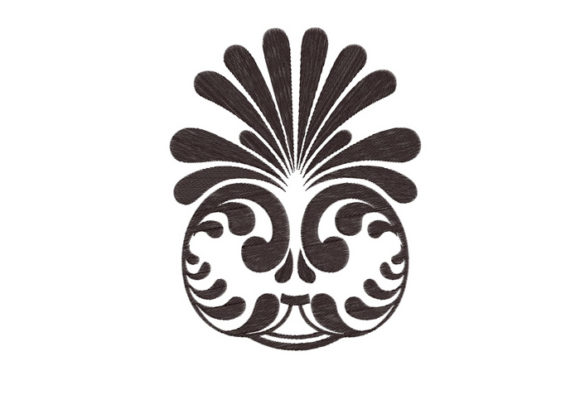
When I’m preparing for a craft fair, my first task is to review the embroidery designs I plan to use from a purely practical standpoint. It’s not just about whether a design is beautiful; it’s about whether it will translate into a product that sells on a crowded table, looks excellent in person, and can be produced reliably. Today, I’m looking at Damask Element, a border-style machine embroidery design, to see if it earns a spot in my weekend booth lineup.
First Impression: Elegant & Decorative
The name itself, Damask Element, sets a clear expectation: this is an elegant, decorative pattern. It leans toward a premium and classic feel, not cute or rustic. This is crucial because the initial mood of a design dictates which products it will elevate. At a market, customers drawn to a farmhouse aesthetic might pass it by, but those looking for something with a touch of traditional sophistication will be instantly intrigued. It has the potential to make a handmade item feel more refined and intentionally designed.
Product Application: Where Damask Element Stands Out
My booth typically features tote bags, aprons, tea towels, caps, patches, pouches, and pillow covers. Not every design works on every item. Here’s my real-world evaluation of where Damask Element shines and where caution is needed.
Strong Candidates for Maximum Impact
Tote bags and market bags are a perfect canvas. A Damask Element border running along the top or bottom edge of a bag creates immediate visual interest and perceived value. It looks deliberate and complete. Similarly, pillow covers benefit enormously from a decorative border; this design could frame the pillow beautifully, making it a standout home decor item.
Aprons and tea towels are another winning combination. An elegant border along the hem of an apron or the bottom of a kitchen towel elevates a simple functional item into a giftable handmade product. The key here is fabric choice: a high-quality, smooth linen or cotton will allow the design’s details to be crisp.
Considerations for Smaller & Textured Items
For embroidered patches, the success of Damask Element depends entirely on the size. As a border, it might need to be adapted or a segment used. Tiny details in the design could become lost if the patch is too small. On caps, the curved surface can distort borders, so careful placement and testing on scrap fabric is mandatory.
Fabric pouches and small gift items can work wonderfully if the border is used as an accent around a zipper or along a pocket. However, on very textured fabrics like some terry towels, the stitch density and small elements might not read clearly, affecting the perceived quality.
Practical Production & Selling Points
As an embroidery business owner, I must balance aesthetics with production reality.
Visual Clarity & Batch Production
Damask Element appears to be a design that is easy to understand at a glance—it’s a decorative border pattern. This is a massive advantage on a busy craft fair table. Customers process it quickly. For batch production, a clear, repeatable design like this is efficient. Once I dial in the correct hoop size, stabilizer, and thread contrast for one product, I can replicate it confidently.
Photography & Online Sales
For my Etsy listings and printable mockups, a design with strong definition photographs well. I would test Damask Element on both light and dark fabrics to ensure it pops in product photos. Elegant designs often attract customers looking for higher-value items, so showcasing it on premium-looking mockups can directly boost the listing’s appeal.
Critical Designer Notes Before Stitching
- Always test on scrap fabric first. This is non-negotiable. Check for any overly dense stitch areas that might pucker, especially on lighter fabrics.
- Thread contrast is key. A classic damask often looks best with high contrast—a crisp white on dark navy or a gold on cream. Experiment.
- Confirm the exact hoop size required from the design’s specifications. A border needs precise placement.
- Use the correct stabilizer for the fabric weight. A kitchen towel and a tote bag require different support.
- Create at least one real physical mockup before the fair. How it feels in your hands is different from seeing it on screen.
- If selling finished products, confirm the commercial licensing terms for the digital embroidery file. The description mentions multiple embroidery file formats, which is excellent for versatility, but always verify the license.
Booth Display & Customer Engagement
At the fair itself, Damask Element can strengthen your booth’s overall display. Products featuring a cohesive, elegant design theme create a sense of brand consistency. When a customer sees the same beautiful border pattern on a towel, a bag, and a pillow, it tells a story of thoughtful craftsmanship. It encourages them to look at multiple items, increasing engagement.
This design adds to the handmade quality perception because it looks intricate and deliberate. It doesn’t appear randomly placed. For the buyer, an item embroidered with Damask Element feels like a complete, finished craft fair product, not just a blank item with a simple motif. This directly supports a slightly higher price point and better margins.
Final Judgement for the Craft Fair Table
Damask Element is a strong contender for my booth. Its elegant, decorative nature makes it ideal for products where you want to add a touch of classic sophistication and increase perceived value. Its best applications are on larger, flat areas like tote bags, pillow covers, and the hems of aprons and tea towels. For smaller or highly textured items, proceed with caution and thorough testing.
The practicalities are manageable: it’s a clear design for batch production and should photograph well for online shops. The essential steps are all in the preparation: testing stitch density, confirming thread colors and contrast, and ensuring proper stabilization on the final handmade product fabric. If you’re an embroidery designer or a small shop owner looking to add a premium border option to your lineup, Damask Element deserves a close look and a test stitch. It has the potential to quietly but effectively draw the right customer’s eye to your table.